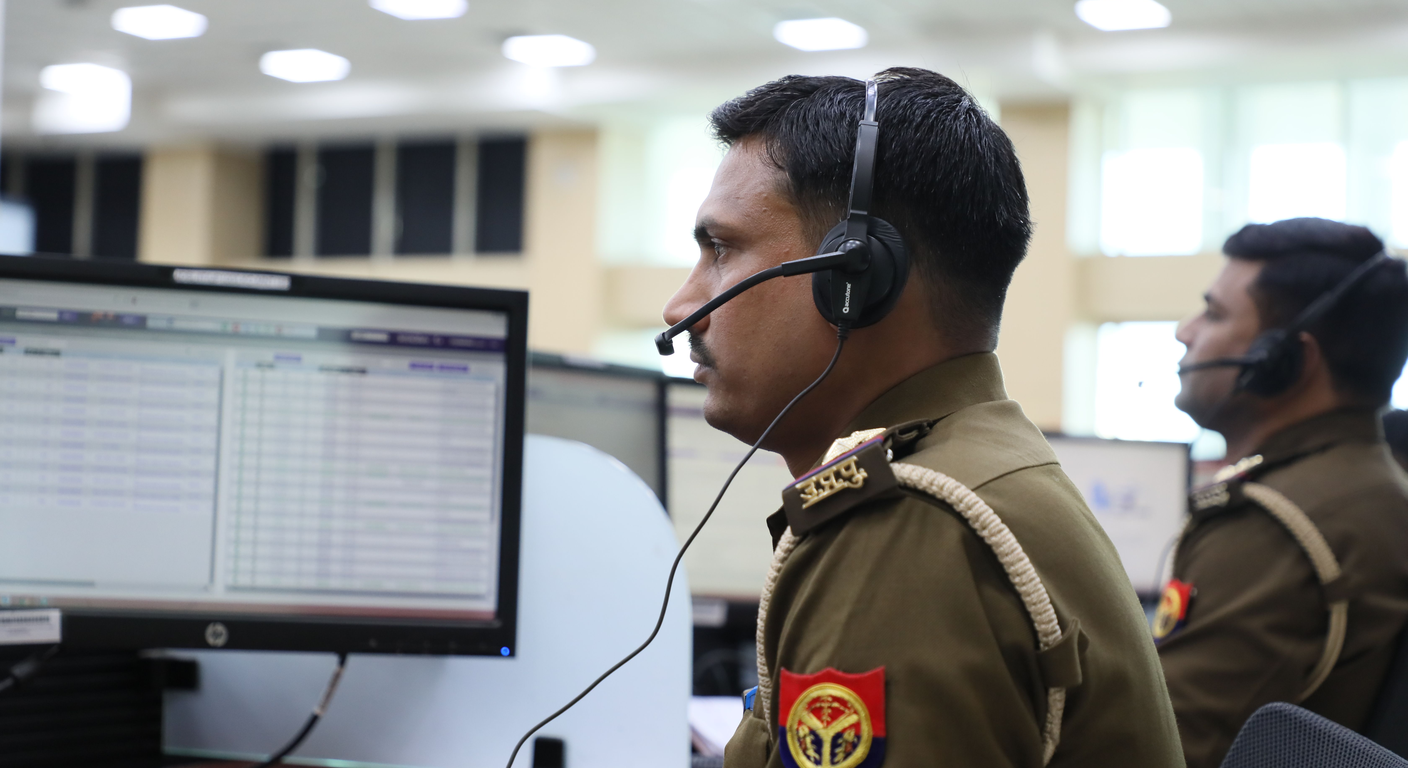
Built for 911 Centers.
Public-safety answering points, consolidated communications centers, and 911 dispatch operations across Oklahoma and Arkansas. Telecommunicator liability, cyber and PII coverage, and a benefits program built around the unique stress and staffing realities of the comm floor.
Cyber Exposure, Telecommunicator Burnout.
A 911 center handles more protected information per shift than most hospitals — and operates on CAD, RMS, and recording systems that are the first target in every public-sector ransomware event. Retail cyber policies were drafted for small businesses with a customer database, not for a PSAP holding live incident data on every resident in the county.
The day we move a 911 center onto our program, cyber liability is rewritten around the actual CAD and ePCR exposure, telecommunicator professional liability is written for the call-takers and dispatchers, and the benefits package — A&S, critical illness, group life — is restructured to address the retention crisis on the comm floor.
Get a QuoteFrom First Call to Bound Program.
A four-step process designed so directors and oversight boards make insurance decisions with the same clarity they expect from every other operational call.
Systems & exposure audit
We document your CAD, RMS, recording, and ePCR systems, map data exposure against the public records you actually hold, and review three years of staffing turnover before quoting a single line.
Program design around comm floor reality
Coverage is designed around the realities of telecommunicator work — sustained sit time, high-stress call exposure, and chronic understaffing — with cyber, professional liability, and benefits all integrated.
Side-by-side oversight presentation
We deliver the proposal in person at a 911 board or commissioners meeting, with every coverage line compared against the current policy and the cyber exposure modeled against three breach scenarios.
Bind, train, defend
We bind coverage, run on-shift briefings for every rotation, and stand alongside the director on every claim through settlement — including breach response coordination if cyber triggers.

The Coverage, Without the Jargon.
Three coverage groupings every 911 program covers — written so the director, the IT lead, and the telecommunicator on shift can all read the same page.
The Specialty Difference.
Generic carriers treat a 911 center like a small office with phones. We treat it like what it is — a high-stakes data operation, a public-safety professional services firm, and a 24/7 emergency response operation, all in one building, all on one policy.
- Cyber liability sized against your actual CAD and PII footprint, with breach response coordinated by an advocate who has handled public-sector ransomware events.
- Telecommunicator professional liability written for the actual EMD/EFD protocols and QA cycle your center runs — not for a retail commercial template.
- A&S and critical-illness coverage tuned to the chronic injury and long-tail health profile sustained sit-time shift work actually creates.
- Group medical and benefits designed as a retention tool for an operational role facing a national staffing crisis — because retention is the deepest insurance a 911 director can buy.
Questions From 911 Centers Leaders.
The four questions chiefs, directors, and boards in 911 centers ask most before moving a program to VFIS.
Bring the Specialty Difference to Your 911 Centers Organization.
A no-obligation discovery audit of your current 911 program — cyber, telecommunicator liability, benefits, and management coverage — with a side-by-side delivered in plain English at a 911 board or commissioners meeting.