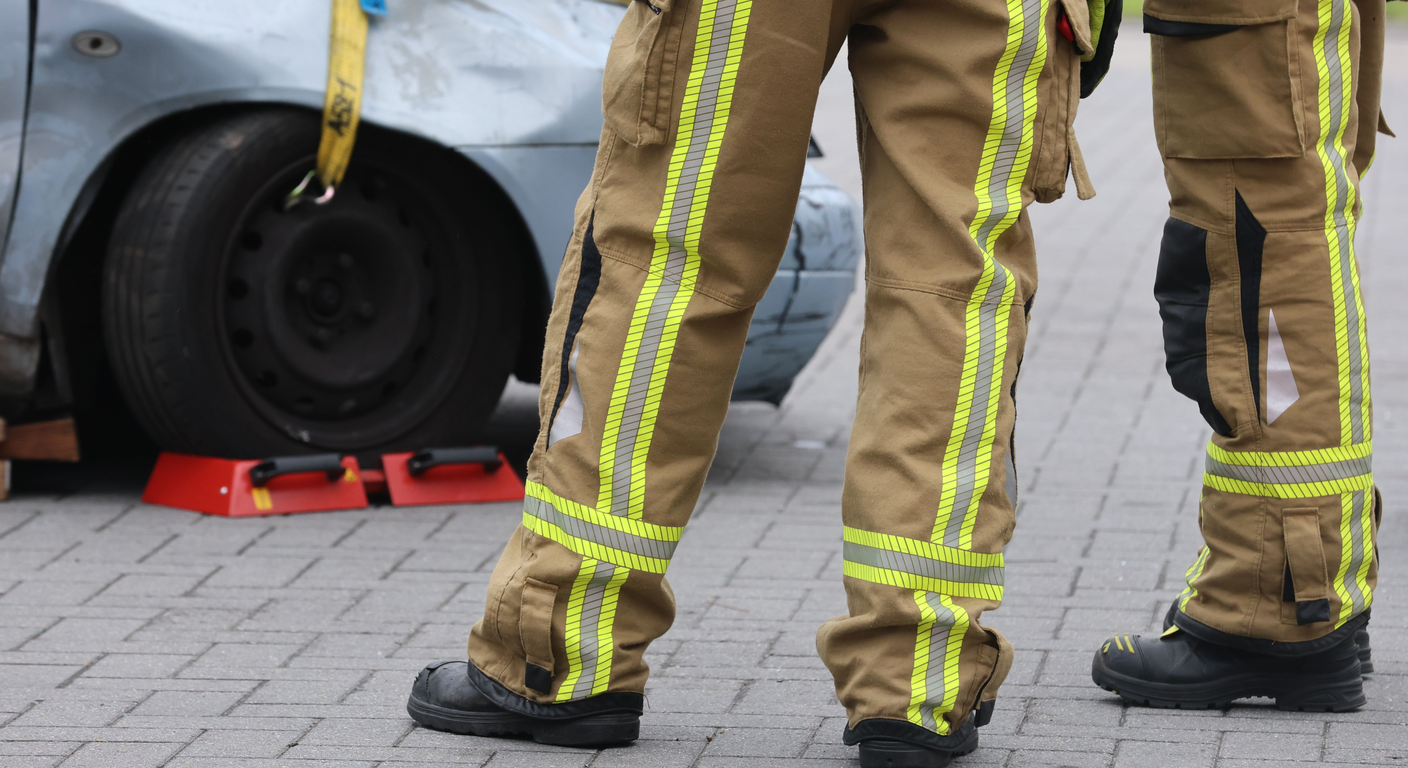
Built for Rescue Squads.
Water, swift-water, technical, high-angle, dive, and wilderness rescue teams across Oklahoma and Arkansas. Specialized equipment scheduled by serial number, mission-specific liability, and an A&S program drafted around the highest-consequence callouts in emergency services.
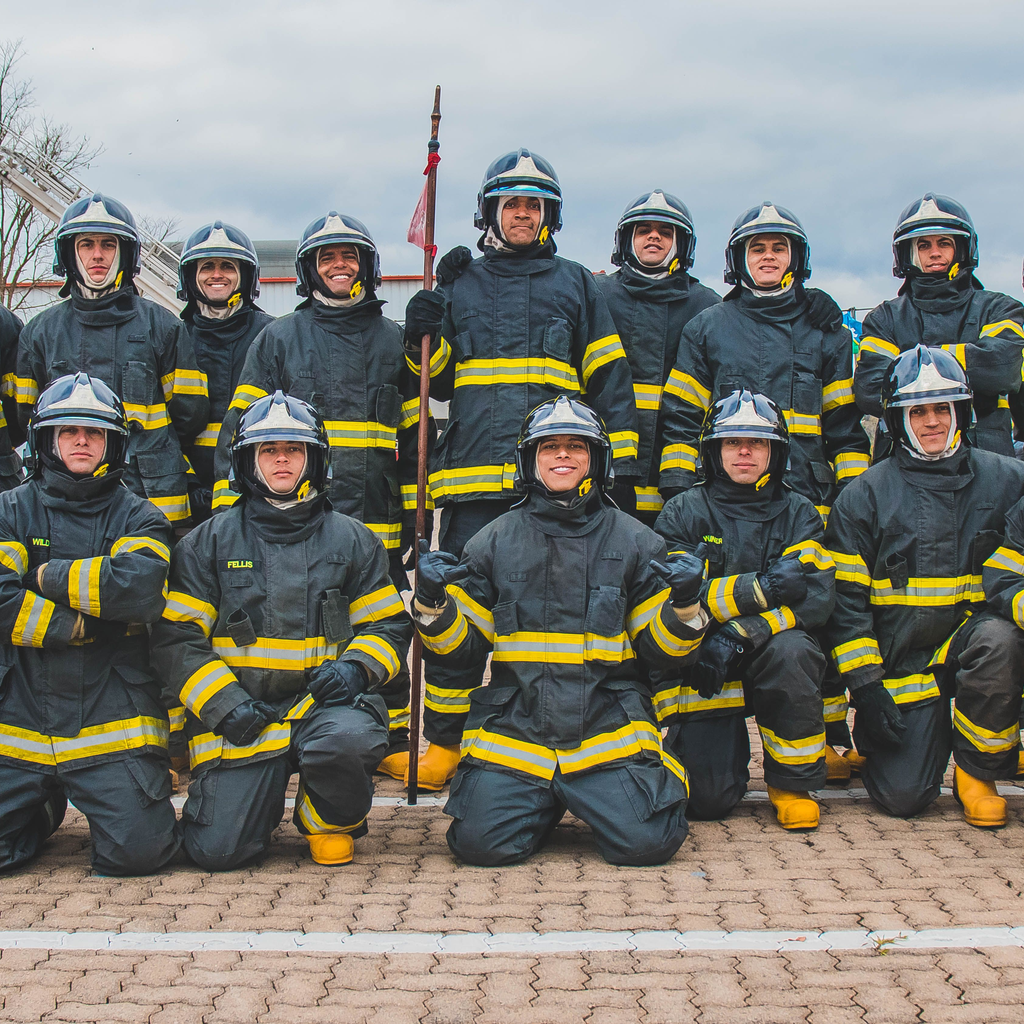
Specialized Equipment, Unpredictable Mission Profiles.
A rescue squad runs maybe 80 calls a year, and any one of them could be a multi-county, multi-day operation with $400,000 of equipment deployed across three counties. Retail commercial policies were never engineered for a roster that loads dive gear on Tuesday and rappels off a quarry on Saturday.
The day we move a rescue squad onto our program, every boat, rope, dive kit, and technical-rescue tool is scheduled by serial number on agreed value, equipment-in-transit is written for mutual-aid deployment, and members get A&S coverage that doesn't ask whether they were on duty or training when the injury happened.
Get a QuoteFrom First Call to Bound Program.
A four-step process designed so squad leadership and trustees make insurance decisions with the same clarity they expect from every other operational call.
Mission profile & equipment audit
We document your actual mission profile — water, technical, dive, wilderness, hazmat — and serial-number every piece of specialized equipment before quoting a single line.
Program design around volunteer model
Coverage is designed around your staffing model — typically volunteer, often cross-rostered with a fire department — with A&S, equipment, and liability all integrated and a mutual-aid endorsement on every line.
Side-by-side trustees presentation
We deliver the proposal in person at a trustees meeting, with every coverage line compared against the current policy and the agreed-value math shown for every piece of specialized equipment.
Bind, train, defend
We bind coverage, run an in-service briefing tied to a training night, and stand alongside the squad on every claim through settlement.
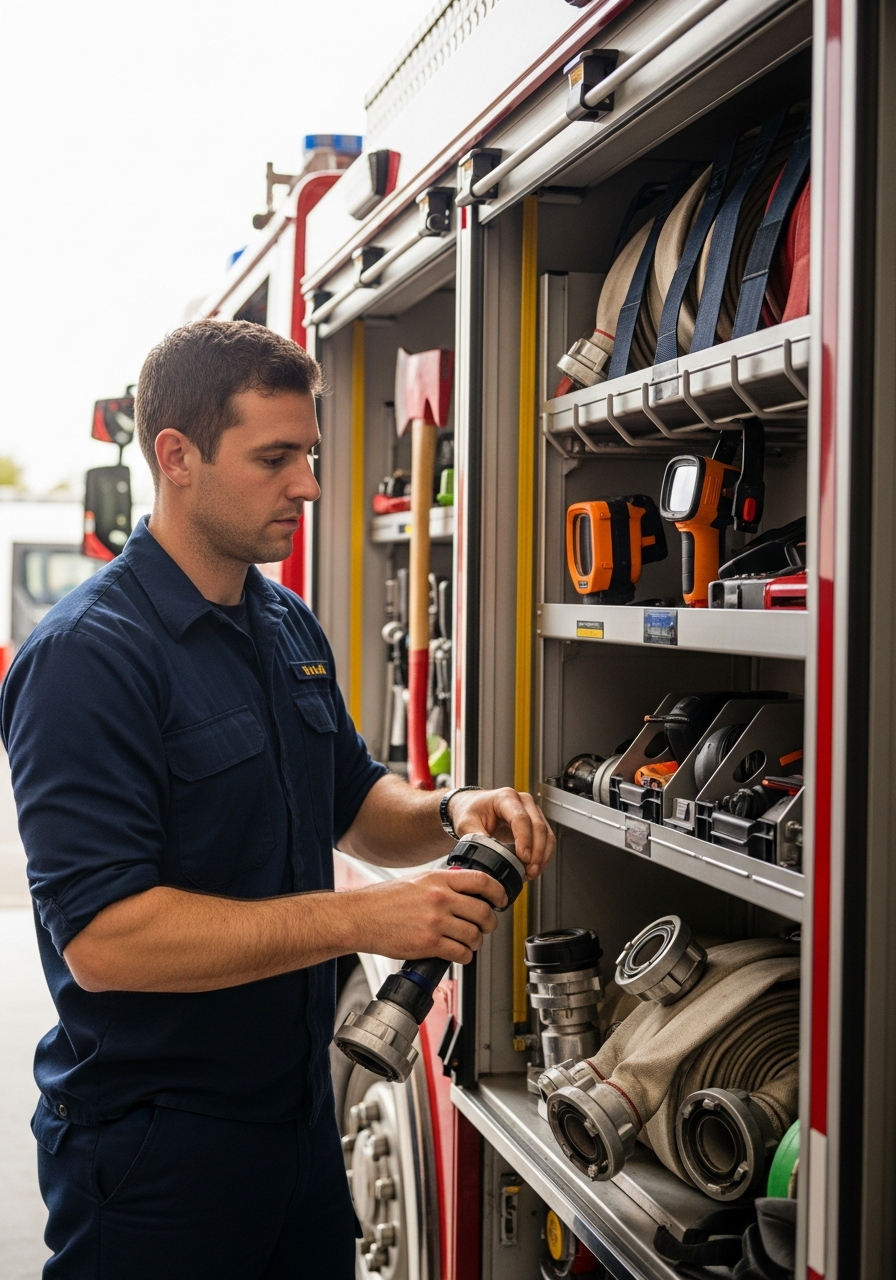
The Coverage, Without the Jargon.
Three coverage groupings every rescue squad program covers — written so the squad leader, the equipment officer, and the trustees can all read the same page.
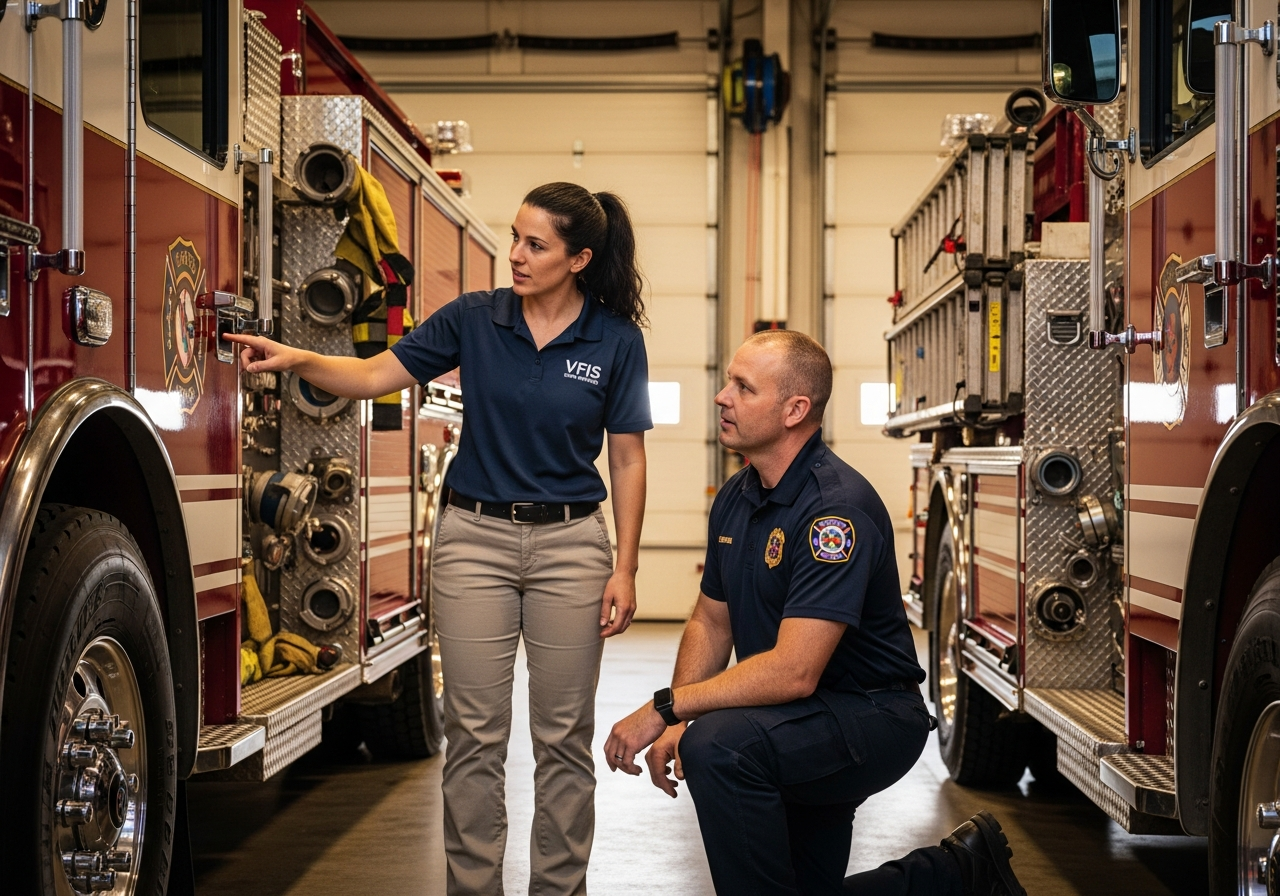
The Specialty Difference.
Generic carriers don't write technical rescue. They write commercial general liability and hope no one ever calls the policy. We underwrite specifically for the mission profile — equipment by serial, A&S at parity with live operations, mutual aid on every line — because the call doesn't care what the policy was drafted for.
- Specialized equipment scheduled by serial number on agreed value, including consumables tracked against rated lifecycle so a claim doesn't get denied for an expired component.
- A&S coverage at parity for training and live missions, with no carveout for water entry, high-angle work, or confined-space operations.
- Mutual-aid extensions on every line, so a multi-county or multi-state deployment is covered the same as a callout in the squad's own response area.
- A local claims advocate who has handled rescue claims, from drowning incidents to dive equipment losses, and knows which carrier language pays and which language fights.
Questions From Rescue Squads Leaders.
The four questions chiefs, directors, and boards in rescue squads ask most before moving a program to VFIS.
Bring the Specialty Difference to Your Rescue Squads Organization.
A no-obligation discovery audit of your current rescue squad program — equipment schedule, A&S, mutual-aid extensions, and liability — with a side-by-side delivered in plain English at a trustees meeting.