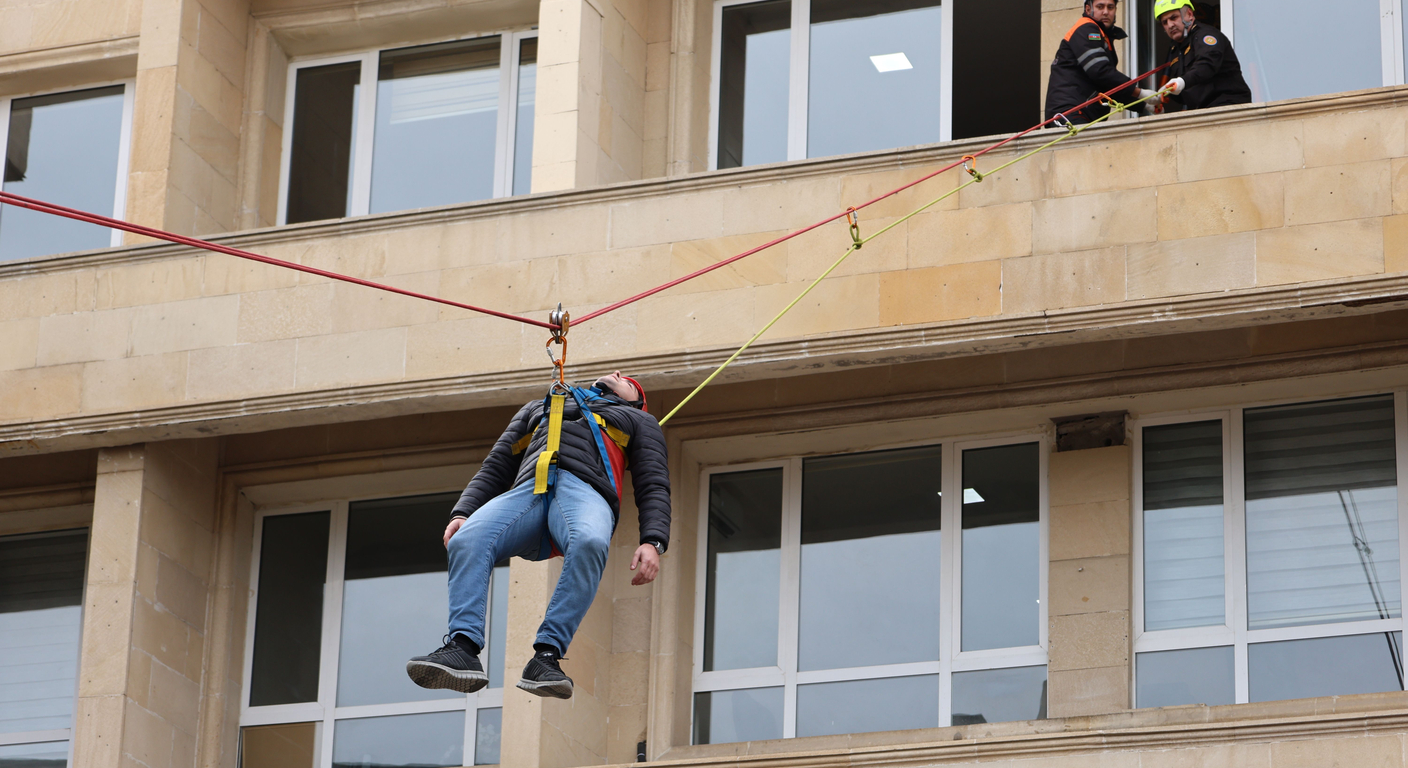
Built for Specialty Teams.
Hazmat, USAR, wildland, tactical EMS, and joint task forces across Oklahoma and Arkansas. Mission-specific equipment scheduled on agreed value, cross-jurisdiction liability, and an A&S program drafted around deployments that can pull a team out of district for days at a time.
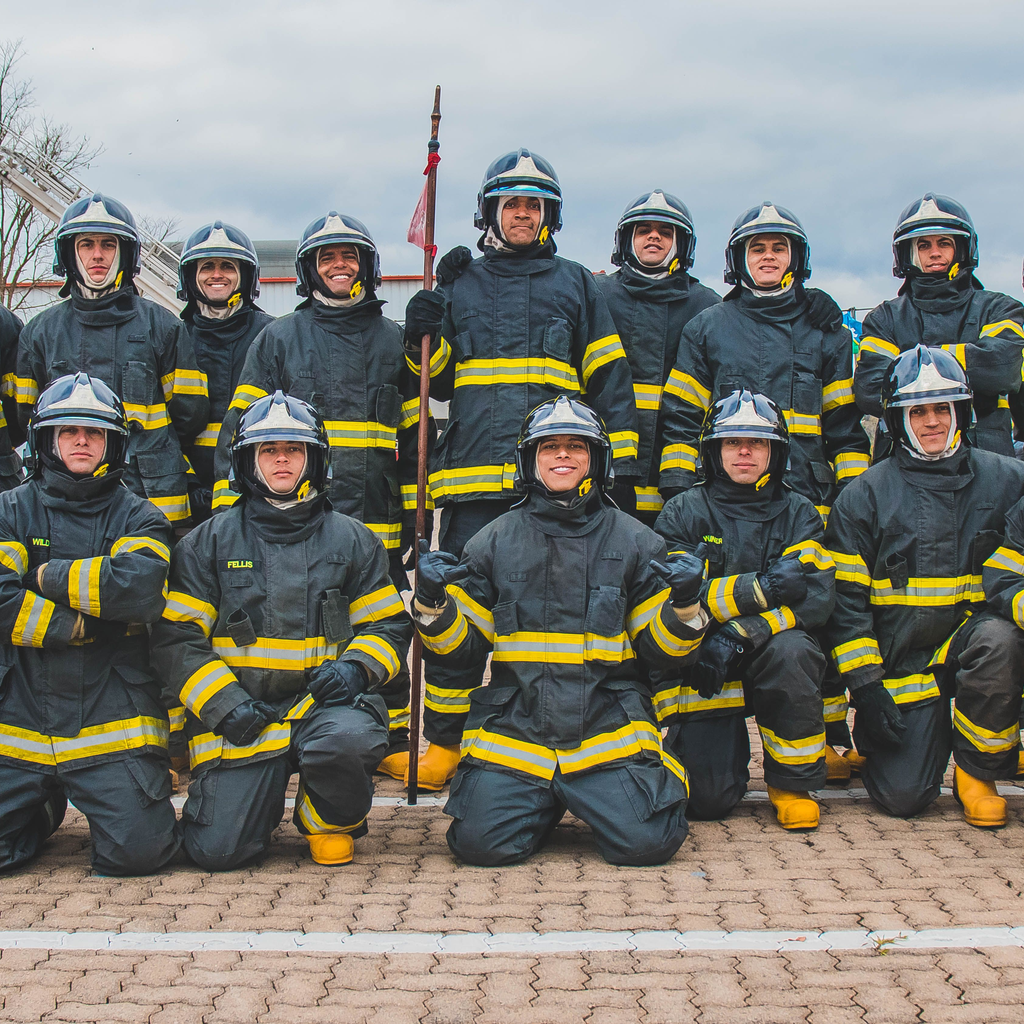
Cross-Jurisdiction Exposure, Specialized Equipment Investments.
A specialty team — hazmat, USAR, wildland, tactical EMS — exists precisely because its mission profile doesn't fit inside any single department's coverage envelope. A team can be in three counties this week and a federal task force activation next month, with $600,000 of specialized equipment moving with them.
The day we move a specialty team onto our program, every piece of mission equipment is scheduled on agreed value, cross-jurisdiction and federal-deployment endorsements are written into every line, and members get A&S coverage that doesn't care which agency's roster they were on when the injury happened.
Get a QuoteFrom First Call to Bound Program.
A four-step process designed so team leadership and the host agency make insurance decisions with the same clarity they expect from every other operational call.
Mission scope & equipment audit
We document your team's actual mission scope — hazmat tier, USAR type, wildland qualification, tactical EMS protocol — and serial-number every piece of mission equipment before quoting a single line.
Cross-jurisdiction program design
Coverage is designed around how the team actually deploys — local response, regional task force, state and federal activation — with mutual-aid and deployment endorsements written into every line.
Side-by-side host agency presentation
We deliver the proposal in person at the host agency board or task force oversight meeting, with every coverage line compared against the current policy and the deployment math shown for the team's actual call volume.
Bind, train, defend
We bind coverage, run an in-service briefing tied to a training cycle, and stand alongside the team on every claim — local, regional, or federal.
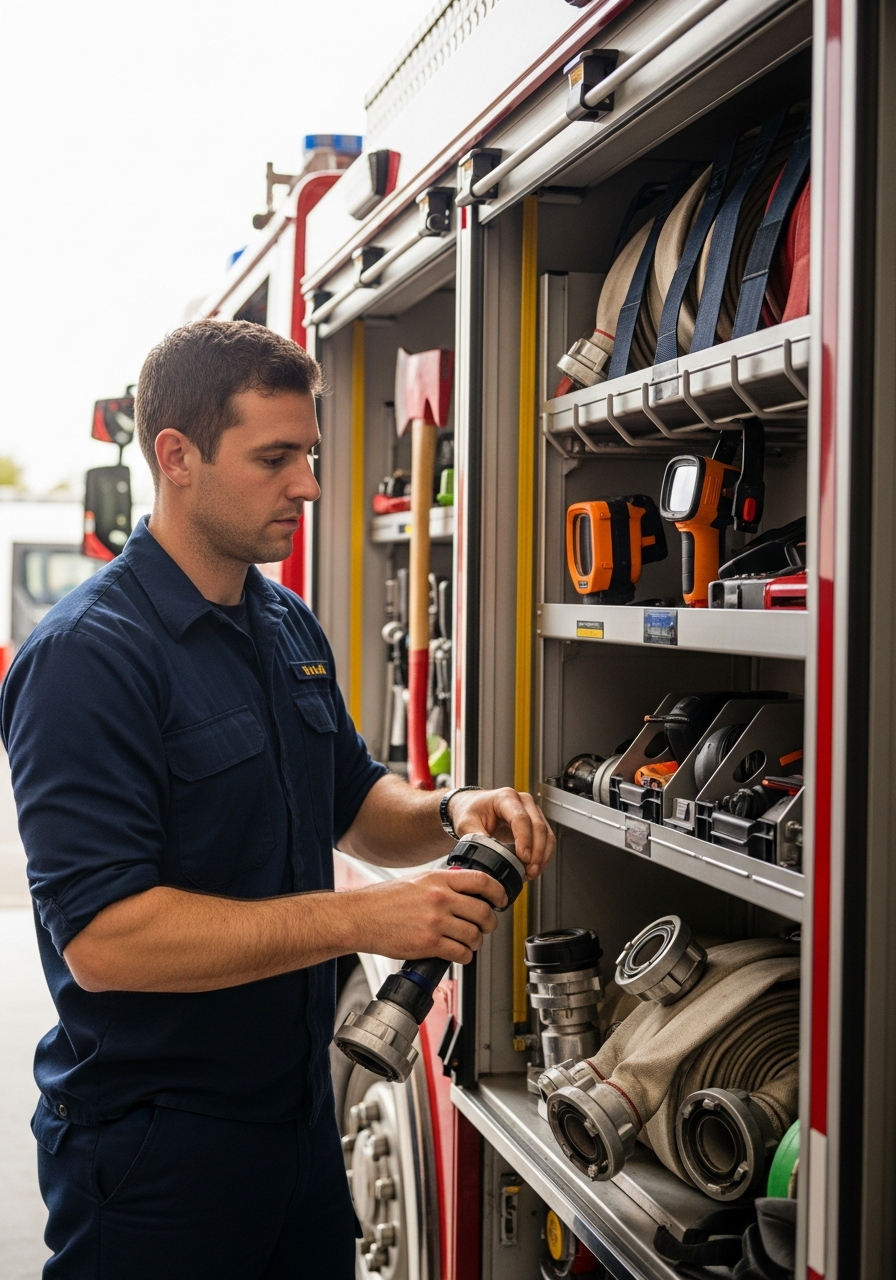
The Coverage, Without the Jargon.
Three coverage groupings every specialty team program covers — written so the team leader, the host agency, and the task force coordinator can all read the same page.
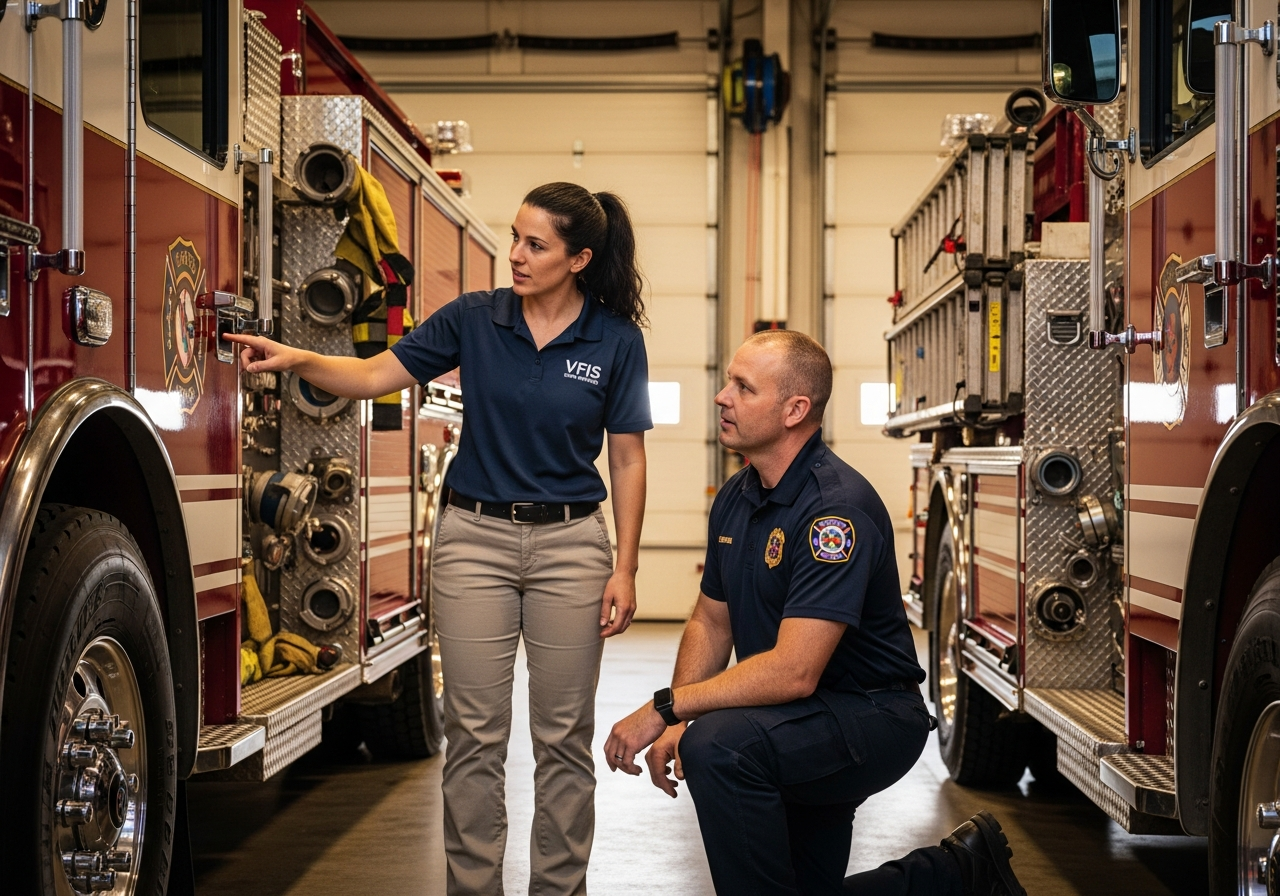
The Specialty Difference.
A specialty team exists because the mission profile doesn't fit standard coverage. Generic carriers respond by adding exclusions; we respond by writing the program around the deployment. Equipment by serial, members covered across activation tiers, liability written across jurisdictions — because the mission was always going to ask all three of those questions at once.
- Mission equipment scheduled by serial on agreed value, with inspection cycles and recertification dates documented so a claim doesn't fall apart on a paperwork detail.
- A&S coverage that follows the member across local, regional, state, and federal deployments at parity — no carveout for which roster the activation order came from.
- Cross-jurisdiction and federal-deployment endorsements written into every line of liability, including FEMA US&R and equivalent task force systems.
- A local claims advocate who has handled specialty team claims, from chemical exposures to collapse-rescue equipment losses, and knows which carrier language pays and which language fights.
Questions From Specialty Teams Leaders.
The four questions chiefs, directors, and boards in specialty teams ask most before moving a program to VFIS.
Bring the Specialty Difference to Your Specialty Teams Organization.
A no-obligation discovery audit of your current specialty team program — mission equipment, cross-jurisdiction liability, member benefits, and host agency coverage — with a side-by-side delivered in plain English at a task force oversight meeting.